
Everything You Need to Know about Spiders and Their Behaviors.
Most people have heard the rumor that spiders crawl in our mouths in our sleep or that we consume x amount of spiders per year, but is it true?
Luckily, this folklore is not true, or rather, it is incredibly rare and highly unlikely to occur. The idea that individuals unintentionally consume spiders in their sleep is not entirely clear with where it originated, however, it is believed to have come from someone who had a general fear of spiders and was worried about the unexpected and unknown things that could happen when one is asleep.
While most house spiders are generally nocturnal, they are not usually attracted to sleeping humans. Spiders have an incredible ability that allows them to know exactly how big and how far objects are from them. Spiders have sensory hairs that give them information about nearby objects as they tap or drag their legs along different surfaces. Because of this ability, known as sensilla, spiders know exactly how big you are and most likely want nothing to do with you. During the nighttime, spiders, like wolf spiders, hunt and search for bugs to eat.
To further dispute this theory, spiders do not intentionally crawl into people’s mouths, and if they do, humans have protective reflexes, such as gag reflexes, that would trigger and most likely prevent a spider from crawling inside and causing accidental ingestion.
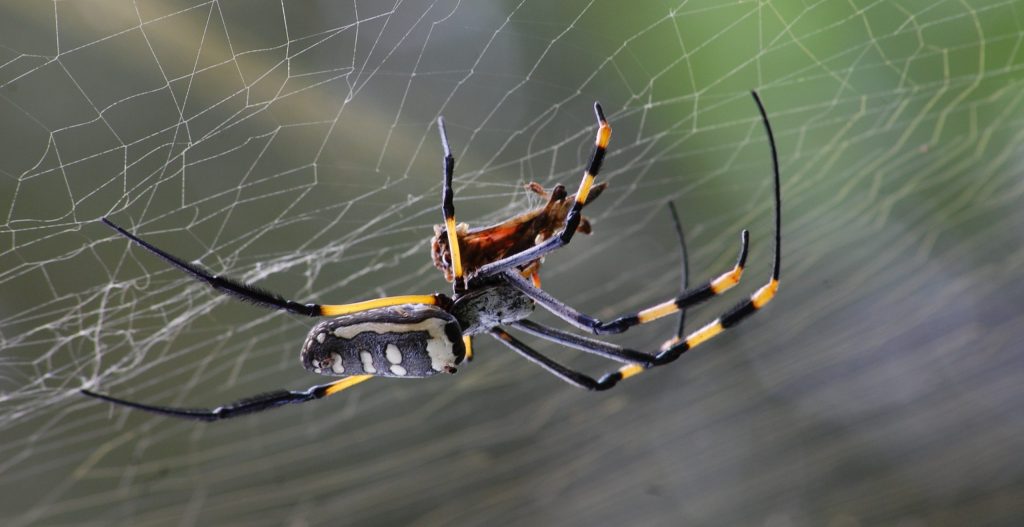
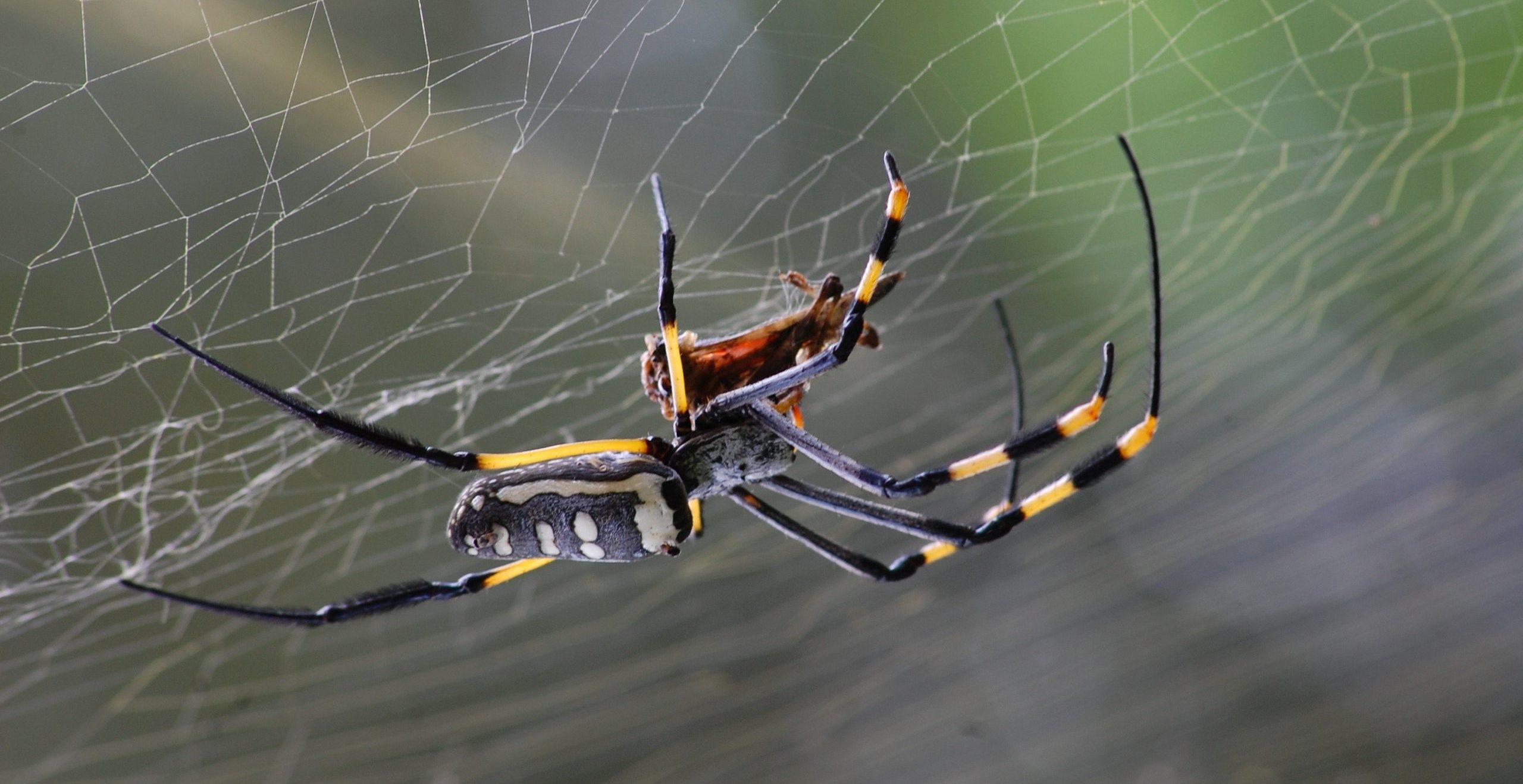
Each species of spider tends to have its own set of behaviors. Many house spiders, aside from wolf spiders, are web-builders. This behavior allows spiders to hunt and naturally capture their prey in their webbing. If you notice any webbing around your home, it is best to dust it away. If the spider has a wide variety of prey in that area, it may return to build a web in that same location, however, if the food supply is low, it will encourage the spider to leave and find somewhere else to build its web.
House spiders specifically have adapted to living indoors or prefer sheltered outdoor areas. Because of this, they can commonly be found in quiet, undisturbed areas such as basements, closets, crawl spaces or attics, and other idle areas. Most house spiders contain venom that immobilizes their prey but their venom is typically not harmful to humans. Common spiders that can be harmful to humans include black-widow spiders, brown recluse spiders, and sometimes hobo spiders. If your home has any of these three spiders, it is advised to contact professional help from your local Insight Pest Solutions.
It’s important to note that there are many different species of house spiders and that most of them serve as natural pest controllers as they capture and feed on other insects. If you encounter a spider indoors, it is best to safely capture and release the spider outdoors. To prevent spiders from entering your home, it is best to seal all cracks and gaps throughout the home and to treat any other bugs you may encounter inside.


