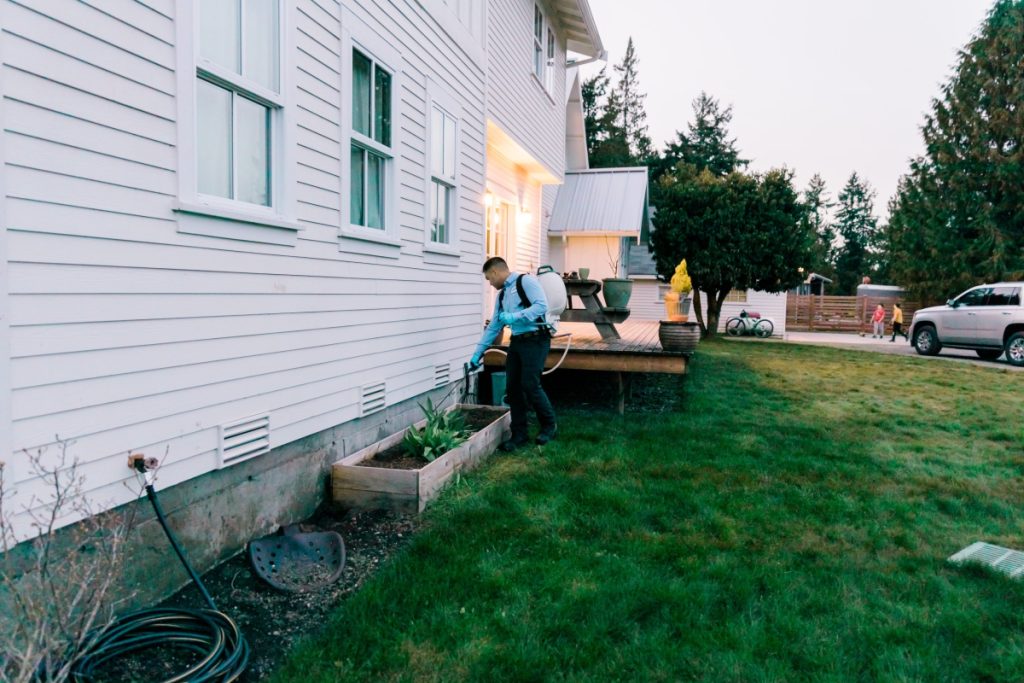

If you’re a gardener or a plant enthusiast, you may have encountered spider mites at some point. These minuscule pests can wreak havoc on your plants, leading to unsightly damage and potentially even plant death. In this blog post, we’ll dive deep into understanding spider mites, their signs of infestation, and how to manage and prevent them effectively.
What Are Spider Mites?
Spider mites are tiny arachnids that are often barely visible to the naked eye. They typically measure between 0.5 and 1 millimeter in size. Despite their small stature, they can cause significant damage to a wide variety of plants, including houseplants, ornamentals, and crops.
Identifying Spider Mites
- Webbing: One of the most apparent signs of spider mites is the fine webbing they produce on the undersides of leaves. This webbing can sometimes be mistaken for that of spiders, but it’s usually finer and more delicate.
- Leaf Damage: Spider mites feed on plant sap, causing leaves to appear stippled or speckled. Over time, affected leaves may turn yellow, dry, or even fall off.
- Stunted Growth: Infestations can inhibit the overall growth of your plants, leading to smaller leaves and fewer blooms.
- Dusty Appearance: A heavy infestation may cause your plants to appear dusty or dirty due to the accumulation of mite droppings.
Why Are Spider Mites a Problem?
Spider mites thrive in hot, dry conditions, making them particularly problematic in summer. They reproduce quickly—females can lay hundreds of eggs in just a few weeks—leading to rapid population growth. If left unchecked, spider mites can decimate entire plants, leading to significant losses for gardeners and farmers.
Effective Control Methods
- Water Spray: A strong blast of water can dislodge spider mites from plants. Be sure to spray the undersides of leaves where mites tend to hide.
- Introduce Beneficial Insects: Predatory mites and ladybugs can help keep spider mite populations in check. Releasing these beneficial insects can be a sustainable solution.
- Cultural Practices: Maintaining plant health through proper watering, fertilizing, and spacing can make plants less susceptible to infestations. Regularly inspecting your plants can help catch any problems early.
Prevention Tips
- Maintain Humidity: Spider mites thrive in dry conditions. Increasing humidity around your plants can make them less hospitable to these pests.
- Regular Inspections: Routinely check your plants for early signs of spider mites. The sooner you catch an infestation, the easier to manage.
- Quarantine New Plants: Before introducing new plants to your garden or home, keep them separate for a few weeks to ensure they are pest-free.
- Clean Up Debris: Keep your garden clean and free of plant debris where pests can hide.
Call Insight Pest Solutions
Spider mites may be small, but their impact on your plants can be significant. By understanding these pests and implementing effective management and prevention strategies, you can protect your plants and ensure they thrive. If you are facing an overwhelming spider mite infestation, don’t hesitate to contact Insight Pest Solutions. We are dedicated to keeping your home pest-free!